

Infield Softball Positions – Down and Dirty
If you’ve played any time in the infield, whether as the pitcher or shortstop, you’re bound to get dirty. Down and dirty, when you are diving for line drives, or sweeping in for a tag, you’re going to get some dirt on your uniform.
I’ve played each of the infield positions at one time or another, Pitcher, catcher, first, second, short, and third. And every position challenges you in a different way. I’m not here to rank them, we all have our favorites, I just want to share what I’ve learned from each spot.
Pitcher & Catcher: The Game Starts With Us
The Pitcher

When I pitched, it isn’t just to toss the ball over the plate. I focus on the batter’s stance in the box. In league play, I learn where most batters hit. This helps me throw pitches that can confuse them.
The way the ball rolled off my hand provided a backward spin that would curve in mid-air.
Sometimes, the ball appeared to float before it began its downward fall to the plate. I had struck out more than a few guys who swung right through, thinking they had a meatball.
That never gets old. Swing and a miss.
Striking out in slowpitch can humble the best hitters.
The real secret weapon in this duo?
The Catcher

When I caught, I made it my job to work with the pitcher. Keep ’em focused so the can concentrate on throwing the pitch to force a ground ball, or better yet, strike them out. The catcher can be a vocal position, it was when I caught, and I kept the infield aware at each play.
A good catcher makes a pitcher better, one of the ‘silent’ heroes. Yeah, infield softball positions are down and dirty.
The Corners: Third and First
Third Base
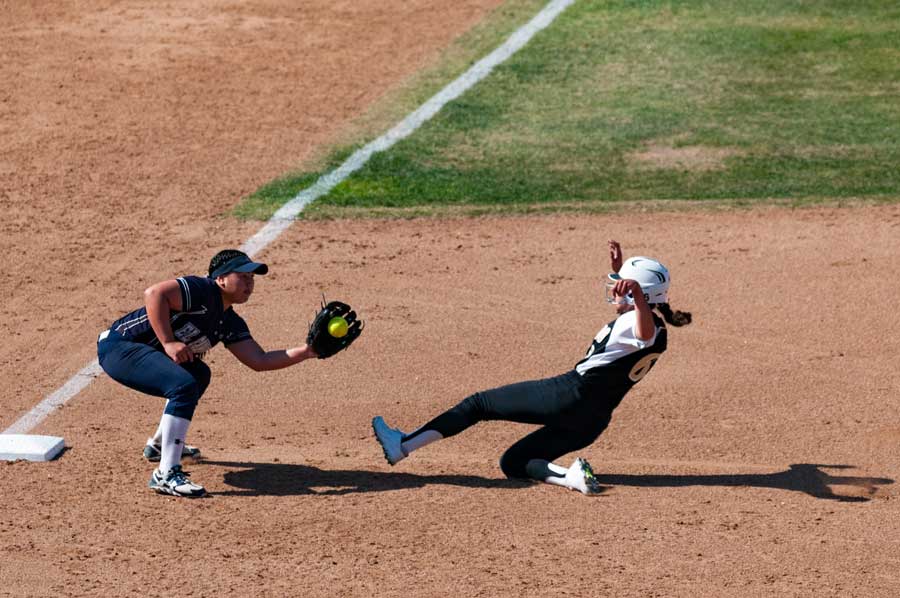
I played third base in a state tournament. Bases were loaded, the pressure was on.
The batter ripped a low liner to my right. I dove, snagged it (out one), and reached over to tag third base before the runner could get back (out two). I was only 14 years old.
That’s what third base is: fast reactions, zero hesitation.
First base
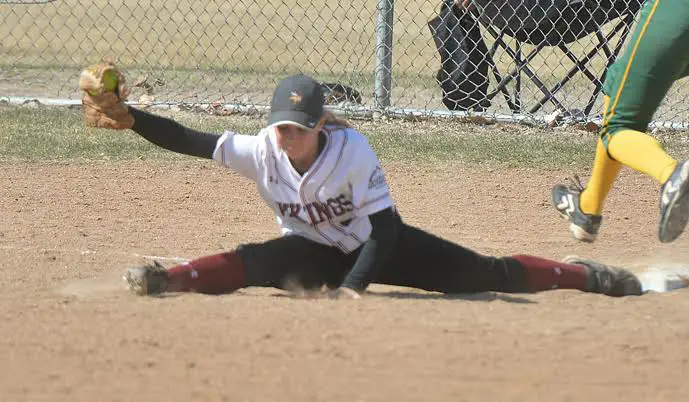
At first base,it’s a different kind of intensity. Your job is to bail out every bad throw — stretch, scoop, stay balanced. It doesn’t get the highlight reel moments, but when you save an out with a full stretch on a wild throw, the dugout knows it. Infield – down and dirty!
Middle Infield: Second and Short
Second base

This position gets overlooked, but it’s a thinking man’s spot. You’ve gotta know where to be — covering first, turning two, backing up throws. You’re often the one calling it mid-play. And yeah, you need soft hands and quick feet, but you also need to anticipate everything.
Shortstop

That’s where it all flows. When I play short, I’m in constant motion. Backing up the pitcher. Shading the gap between second and third. Taking cutoff throws from left and center. One time, I fielded a hard two-bouncer with no time to set — just caught it, turned, and gunned the batter out at first from a standstill. No crow hop. No step. Just instinct.
That’s what shortstop is about. Reading the field before the ball is even hit.
No One Position Wins the Game — But Any of Them Can Lose It
Final Out
Truth is, there’s no “most important” spot in the infield. Every one of them carries weight. One missed tag. One bad throw. One bobbled grounder and that’s the difference between ending the inning and giving up three runs.
So whether you’re throwing from your knees at second, digging out bad throws at first, or working the pitcher’s rhythm behind the plate, your job is to be the next out.